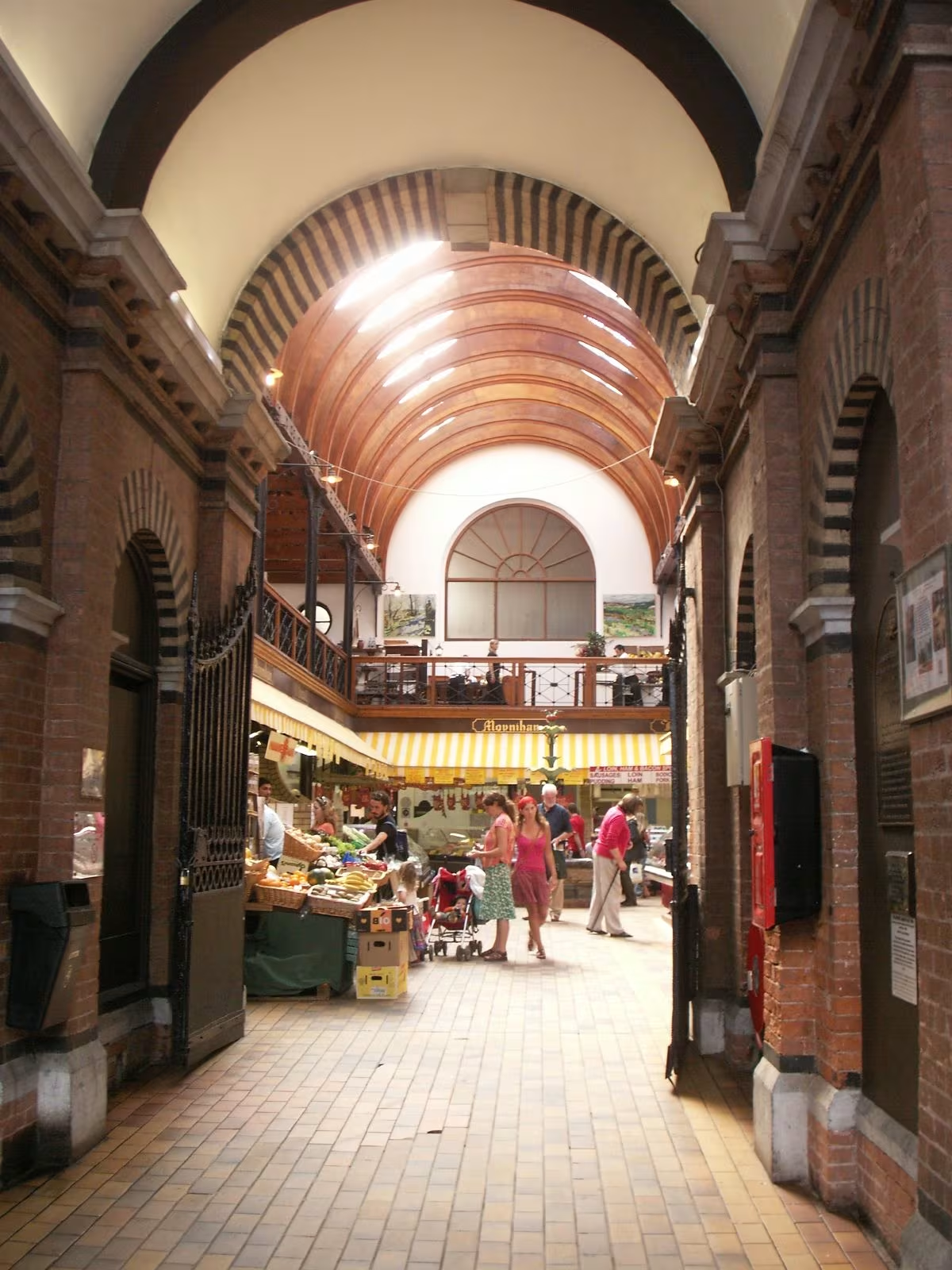
The English Market in Cork is the kind of place that stops you mid-step and makes you look up at the ceiling, at the ornate cast-iron galleries and the skylights, and think: they built all this to sell food. They did. And they've been doing it since 1788, which makes it one of the oldest covered markets in the world still trading. It's a proper working market, not a tourist attraction dressed up as one, and the locals would absolutely notice if you confused the two.
The layout: how it works
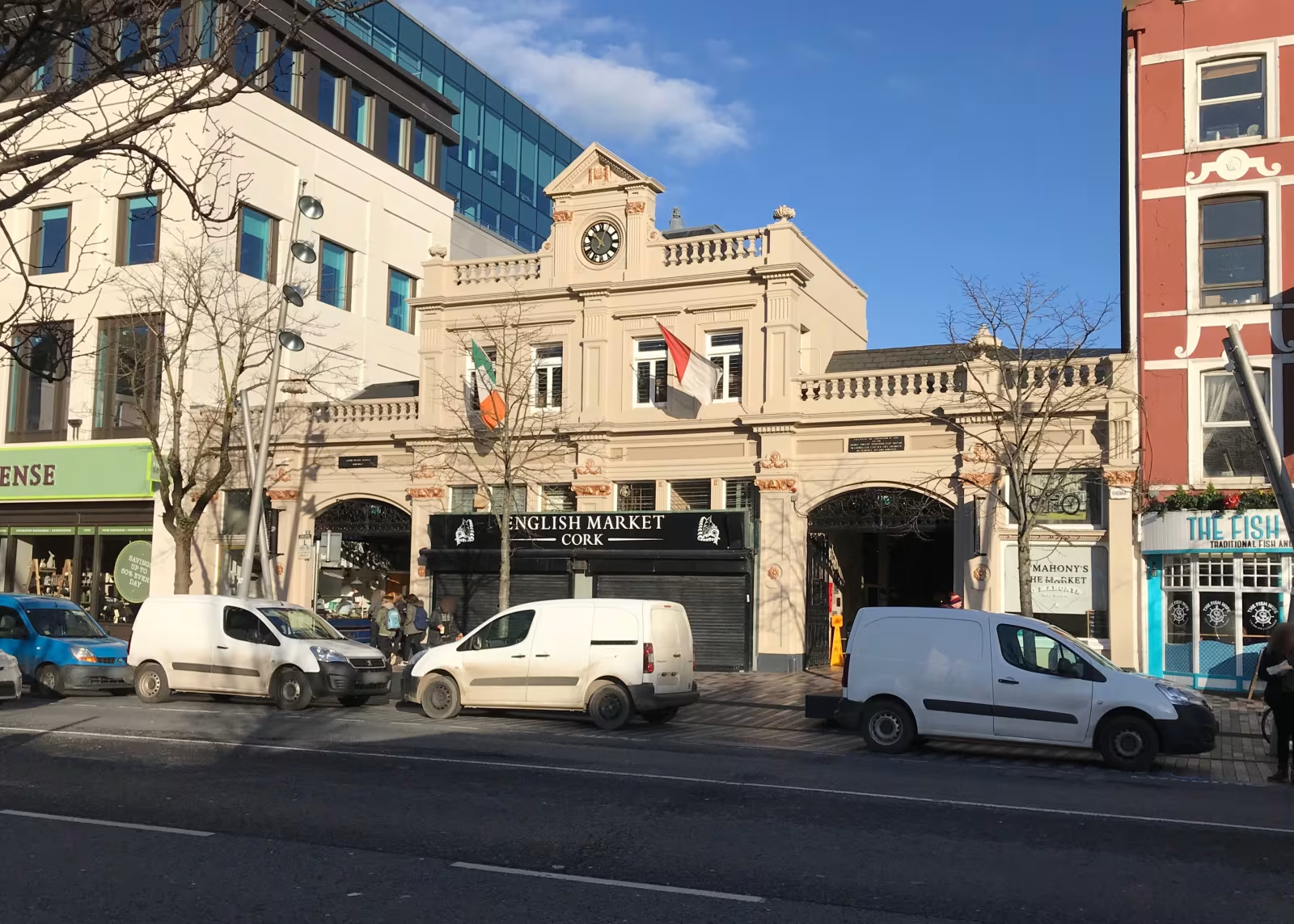
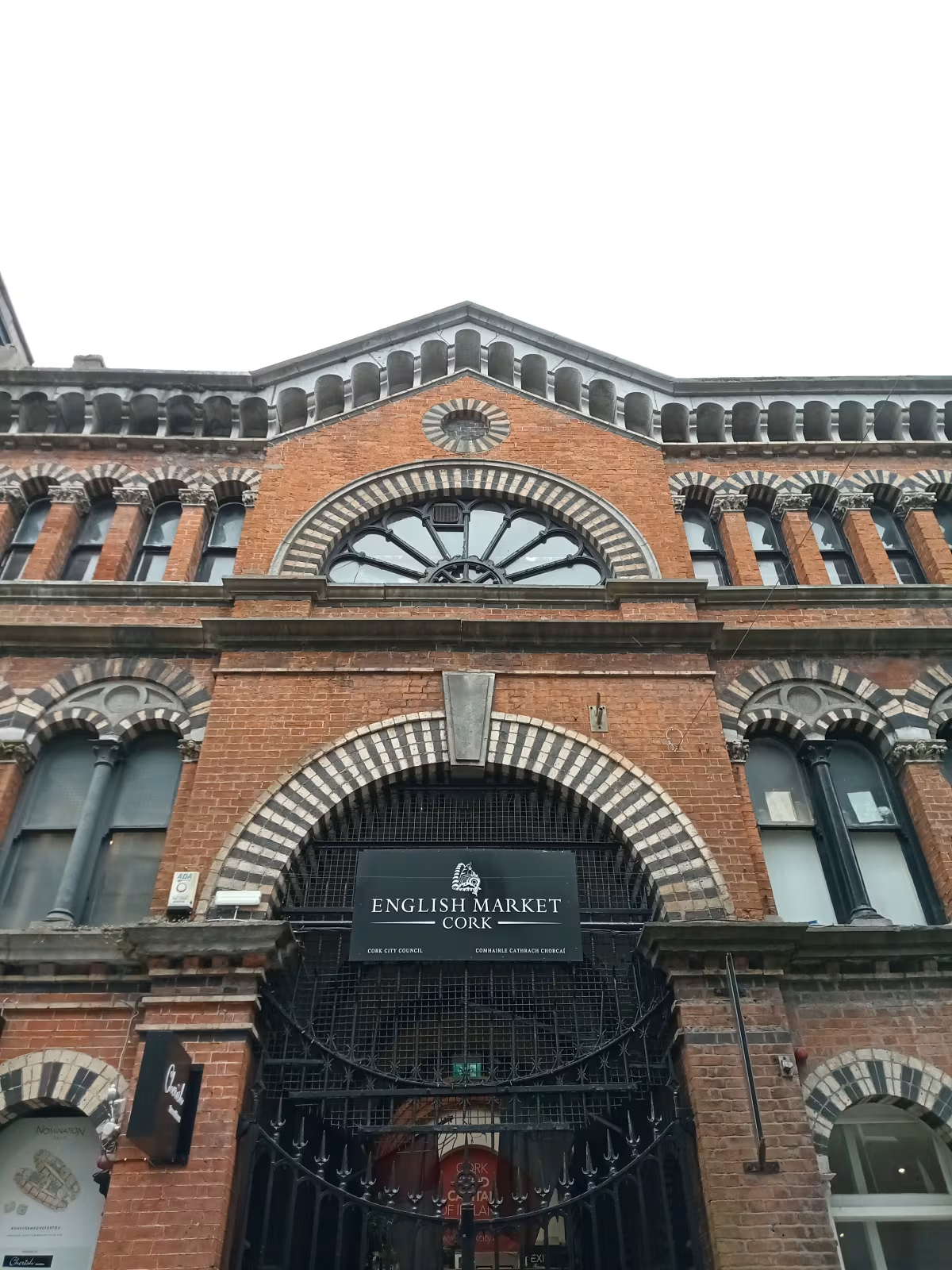
The market runs between Grand Parade and Princes Street, with a third entrance off the covered arcade linking the two. You can walk through in five minutes and see nothing, or you can spend an hour and still feel you've been rushing. The ground floor is the main event: butchers, fishmongers, spice traders, confectioners, cheesemakers, a honey stall, the famous tripe and drisheen counter. The upper floor is an open gallery with benches and the Farmgate Cafe at one end. Cork people drift up there naturally; visitors sometimes miss it entirely and spend the whole visit at ground level, which is a shame.
What to eat standing up
There are stalls that'll hand you things on the spot. The olive and spice traders near the Grand Parade entrance will let you taste before you buy, which takes about three minutes to realise is a dangerous arrangement. The fish smokers at the back do smoked salmon by the slice. The bread counter near the Princes Street side has soda bread warm in the morning. Realistically, you'll be eating your way around before you intended to buy anything at all. It's grand. That's the actual plan.
The Farmgate Cafe
Up the stairs at the back of the market to the mezzanine gallery and you'll find the Farmgate Cafe, which has been running on this spot for over thirty years. The menu is built around whatever's fresh in the market below: grilled fish, chowder, spiced beef open sandwiches, tripe if you're curious and not squeamish. It's cash and card, and you should book ahead for Saturday lunch or you'll be standing on the gallery rail looking enviously at seated strangers. The room has a view straight down over the market floor, which makes waiting for your food considerably better than it sounds.
If you're interested in what else Cork does well, the city's independent coffee scene is worth half a morning on its own, with the Farmgate counting as part of the same food-serious tradition.
Spiced beef: Cork's actual secret
Cork spiced beef is not the same thing as corned beef, and Cork people will want you to know that. It's dry-cured with a mix of spices, cloves, brown sugar, and sometimes a splash of Beamish (the local dark stout, which is not Guinness, and Cork people definitely want you to know that too). It's technically a Christmas dish but the butchers in the English Market make it year-round because the demand never really stops. Buy a slice from the deli counter, sit on the gallery, eat it cold on brown bread, and see if you understand what the fuss is about. You will.
Tripe and drisheen: for the genuinely curious
Tripe is the stomach lining of a cow, cooked until tender and served in an onion sauce. Drisheen is a Cork-specific blood sausage, dark and soft, eaten hot with butter. Neither is a gentle introduction to local food, but both are genuinely specific to Cork in a way that very little food is genuinely specific to anywhere any more. The tripe and drisheen counter in the market is one of the few places in Ireland you can still buy both fresh. Try them in the Farmgate Cafe upstairs if you'd rather they arrived already cooked and on a plate.
What to take home
Cheese is the obvious answer. Frank Hederman's smoked salmon, made at his smokehouse in Belvelly on Cork Harbour, is available at his stall in the market and is about the best you'll find anywhere in Ireland. The honey counter stocks single-origin Irish honeys. The spice traders carry loose blends that don't exist in any supermarket. Cork spiced beef travels fine in a cool bag. The Farmgate sells some of its own jams and relishes. Cork people buy their weekend shop here; you can raid the same counters for things that will actually remind you of the trip when you get home, which is more than you can say for a fridge magnet.
If the English Market gets you interested in Cork more broadly, there's a full guide to where to eat in Cork like a local covering the best restaurants and neighbourhoods. And if you've got a day to get out of the city, Kinsale is half an hour south and worth every minute of the drive.
What are the English Market opening hours?
The market is open Monday to Saturday, roughly 8am to 6pm, though some stalls close earlier on Saturdays and the Farmgate Cafe keeps its own hours (open for breakfast and lunch, check their current times before you go). It's closed on Sundays. Bank holidays and the days around Christmas vary; worth confirming if your visit falls on an awkward date.
Is the English Market free to enter?
Yes, completely free. Walking around, browsing, eating your way around the stalls: no ticket, no entry fee. The Farmgate Cafe charges restaurant prices upstairs, which are reasonable for a sit-down lunch in a proper room above a working market.
Why is it called the English Market?
At a time when Cork had both an English Market and an Irish Market, the English Market was the one designated for Protestant and English-speaking traders; the Irish Market served Catholic traders across the road. The Irish Market is long gone. The English Market has kept the name for two hundred and thirty years, which gives Cork something quietly interesting to explain to itself every morning over the spiced beef.
When did Queen Elizabeth visit the English Market?
In May 2011, as part of the first state visit by a British monarch to the Republic of Ireland since independence in 1922. She wore a green coat, walked the stalls, bought strawberries, spoke to traders, and was apparently delighted. It was a significant diplomatic moment and Cork made a considerable amount of it, which is fair enough given the weight of the occasion. The visit is still referenced in the market, and the stall she stopped at has not downplayed the fact.
How do I get to the English Market in Cork?
It's in the city centre, five minutes' walk from Cork's main shopping street on St Patrick's Street. From Kent Station, it's a fifteen-minute walk across the river. From the bus station on Parnell Place, about eight minutes on foot. The two main entrances are on Grand Parade and Princes Street; both are signposted. There is no car park attached to the market, but the city centre multi-storeys are nearby.