
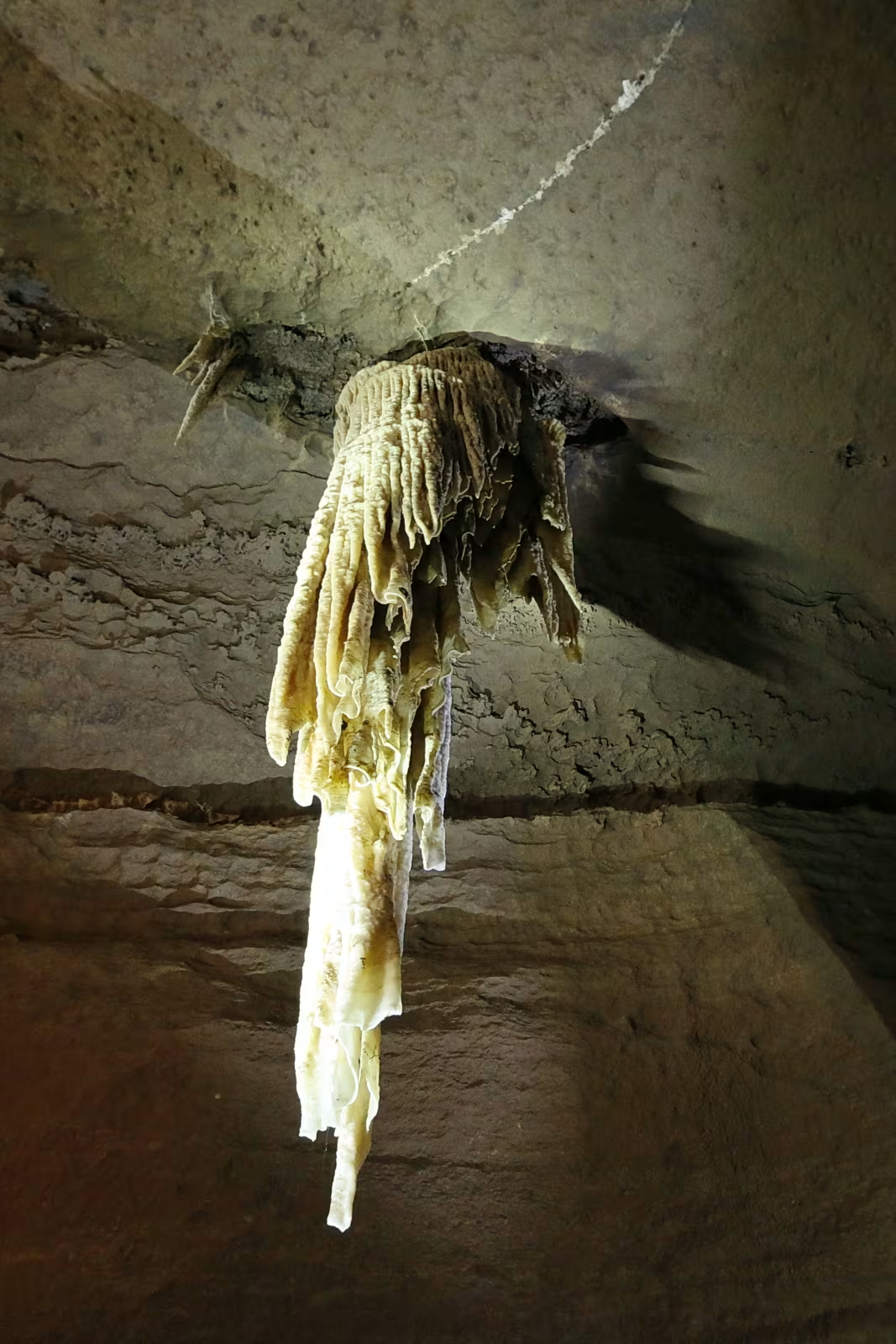
Seven metres underground, hanging from the ceiling of a cave on a working farm outside Doolin, there is a stalactite that took around 350,000 years to form. It is 7.3 metres long. It is the longest free-hanging stalactite in the world. And you can stand underneath it and look up at it, which is exactly what you should do.
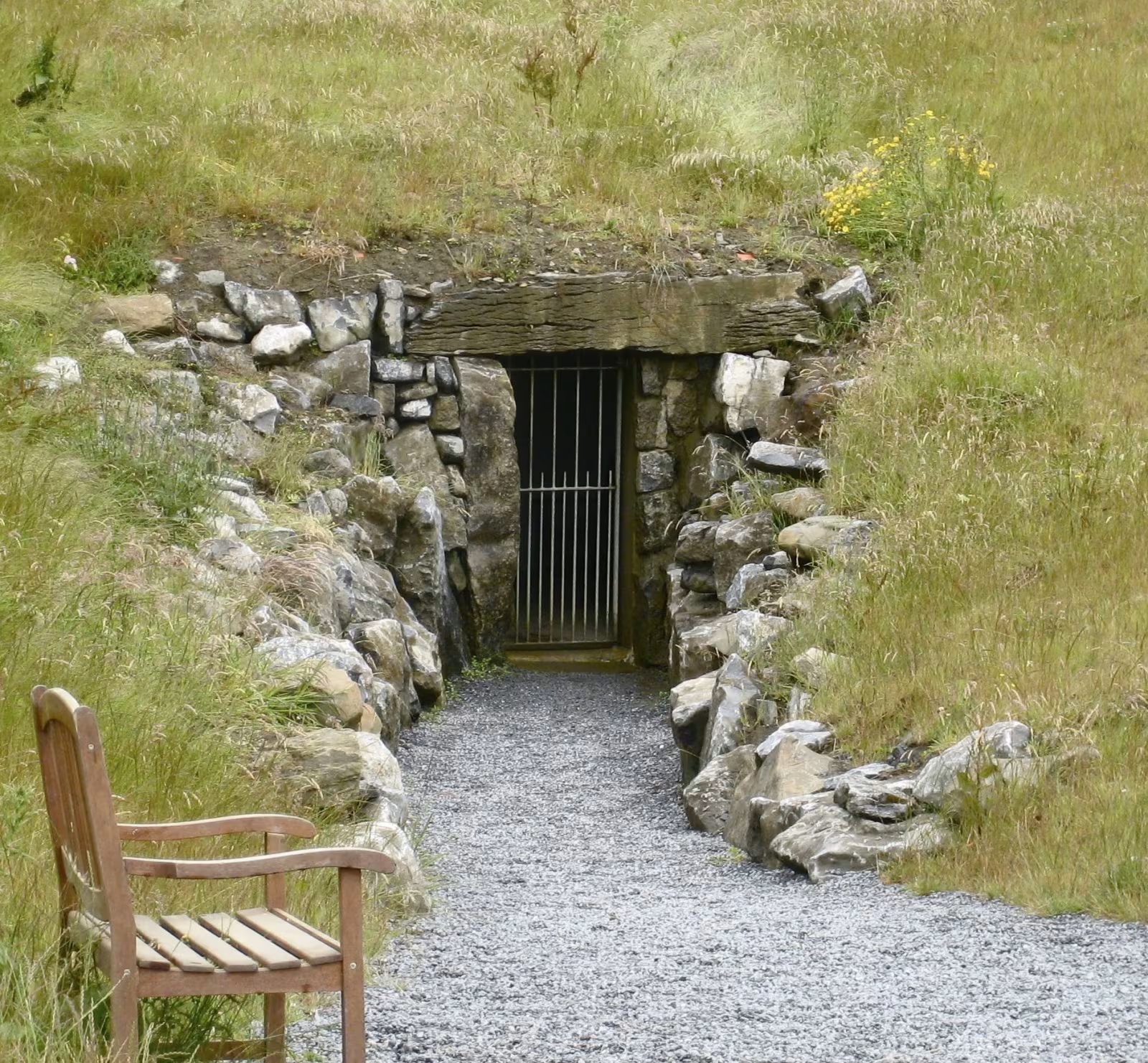
Doolin Cave is about a kilometre from the village, up the R479 toward Kilshanny. The land above it is Burren karst, the same pale, cracked limestone that rolls toward the Cliffs of Moher. Below it is a single long chamber with the Great Stalactite at one end, hanging from the ceiling like something the planet grew on a dare. The cave is open on guided tours only, and the tour is one of those experiences that is genuinely difficult to oversell, because it simply is what it is: you go underground, you see something extraordinary, and you come back up slightly adjusted.
Getting there
From Doolin village the cave is about a fifteen-minute walk or a three-minute drive up the R479. There is a car park at the farm. If you're walking, the road has verges but no dedicated footpath, so watch for the odd van. The upside of arriving on foot is that the Burren is doing its thing on every side and it's worth slowing down to look at it. The flat slabs of limestone are called clints and the cracks between them are called grikes, and someone on the tour will tell you this, but knowing it beforehand makes you look briefly less like a tourist, which is grand.
What the tour is like
Tours run roughly every hour and take about an hour in total. A guide leads you down a flight of steps into the hillside and along a lit path to the main chamber. The temperature underground holds at around ten degrees Celsius year-round, which sounds fine until you've been standing still for twenty minutes and realise the jumper you left in the car was a mistake. Bring a layer.
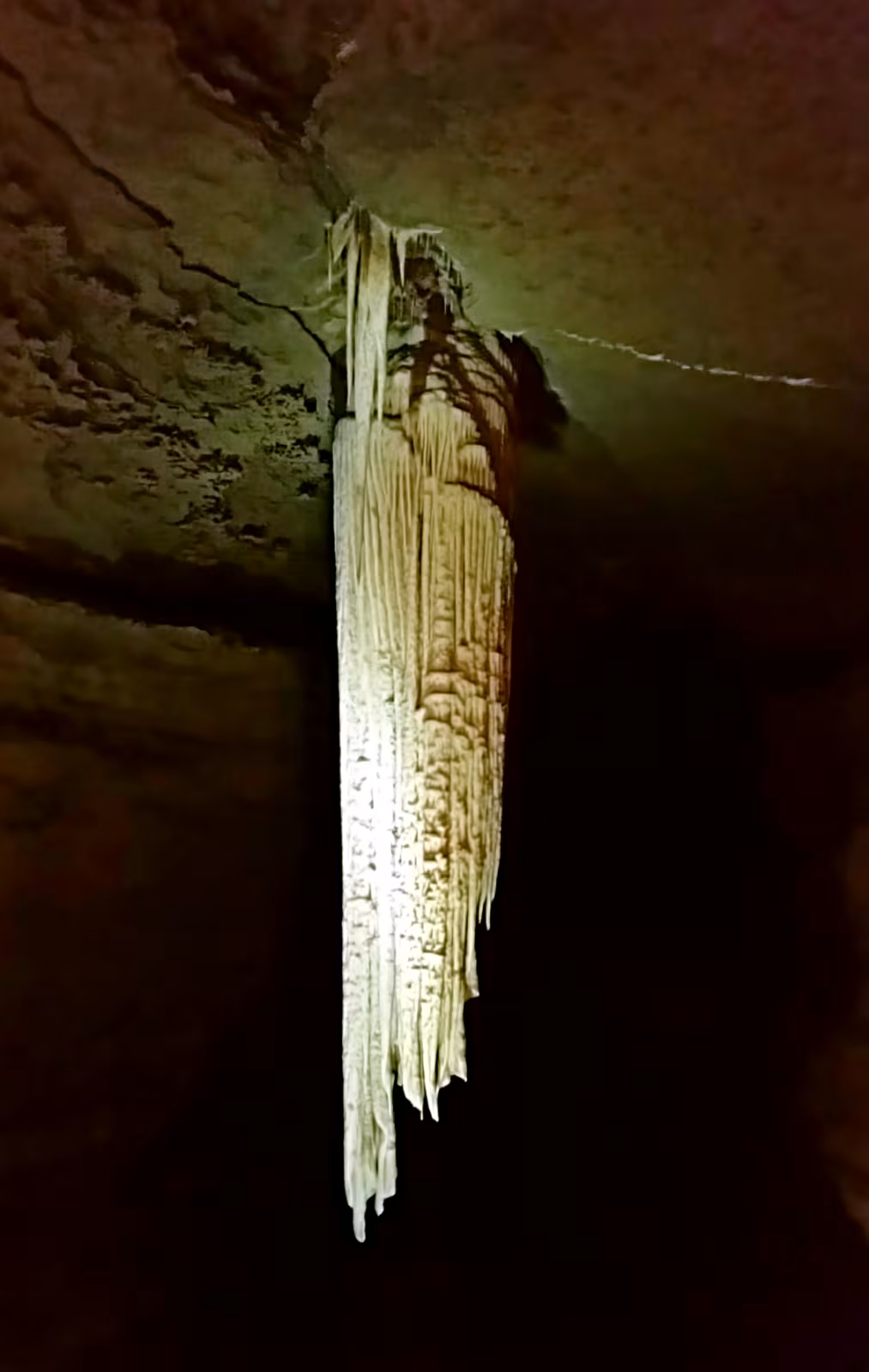
The guides are good. They explain how the stalactite formed (water dissolving limestone, mineral by mineral, drip by drip over hundreds of thousands of years), why this particular formation held together when so many others have broken or collapsed, and what the rest of the chamber contains. You're not rushed. There's time to stand and stare, which is the right approach. There are stalagmites, columns, and other formations to look at in the rest of the chamber, and none of them are going to disappoint anyone, but they are not the reason you came down here. The reason you came down here is on the ceiling.
Practical details
Doolin Cave opens in spring and runs through autumn, typically from April to October, daily from ten in the morning. Winter closing means it is not a year-round option, so confirm the schedule on the cave's own website before making it the centrepiece of your plans in November. Adult tickets are around sixteen euros at the time of writing; children's tickets are cheaper and family tickets are available. Booking is not usually essential outside of July and August, but calling ahead to confirm the tour schedule is sensible if your day is planned around a departure time for something else.
The descent involves steps and some sections with lower headroom. It's manageable for most people, including older children. Very small children in arms will find it fine but may not fully grasp the significance of what they're looking at, which is honest. There are no wheelchair-accessible routes underground. The café and farm grounds above are accessible. The path is lit throughout so there is nothing in the way of darkness or tight crawls: it's a guided walk in a chamber, not an expedition, and you don't need to reassure anyone on that score before you go.
Building a day around the cave
The cave takes a morning or an afternoon, not a full day. Doolin itself is small and worth giving more of your time to. The obvious combination is the coastal walk to the Cliffs of Moher, which starts from the village and takes a couple of hours each way. It's a fair oul' pull in places and the views do a lot of heavy lifting well before you reach the cliffs themselves. The full guide to the coastal walk from Doolin is worth reading before you go.
In the evening, the three pubs in Doolin run trad music sessions that have made the village's reputation over decades. If you haven't been to a proper session before, knowing what to expect beforehand makes the whole thing better, and saves you from accidentally requesting a song, which is the one thing you genuinely should not do. The cave, the cliffs walk, and the session: that is a day in Doolin that does not leave much room for complaints. And if you're staying for longer, the ferry to the Aran Islands runs from the pier and fills a full day on its own. See the Aran Islands ferry guide for everything you need to plan it.
How long does the Doolin Cave tour take?
The guided tour lasts approximately one hour from start to finish, including the walk down into the cave and back up again. You'll spend around thirty to forty minutes underground. Tours depart at regular intervals throughout the day, typically hourly, and groups are kept to a manageable size.
Do I need to book Doolin Cave in advance?
Booking ahead is recommended in July and August when visitor numbers are highest. Outside of peak summer the cave takes walk-ins and you are unlikely to wait long for the next tour. If your day is built around a specific departure time for something else, a quick call ahead to confirm the schedule is worthwhile, particularly in shoulder months when opening hours can be shorter than the website shows.
Is Doolin Cave suitable for children?
Yes, children are welcome and most find the tour genuinely engaging. There are steps on the descent and some lower-ceilinged sections that require ducking, so younger children need to be reasonably steady on their feet. The formation of stalactites and stalagmites translates well to younger age groups, and the Great Stalactite tends to produce a brief and satisfying silence from even the most talkative visitors. Check the website for the current child ticket price, which is typically around half the adult rate.
What should I wear to Doolin Cave?
The underground temperature stays at around ten degrees Celsius regardless of what the weather is doing above ground. If it is July and you are in a t-shirt, bring a light jacket or jumper for the tour. Footwear with some grip is sensible as the path can be damp. Otherwise there are no particular requirements: it is a lit, guided walk, not a caving expedition.
When is Doolin Cave open?
The cave is open daily from approximately April to October, with hours typically running from ten in the morning to five in the afternoon. It is closed through the winter months, generally November to March. Hours and exact opening dates vary by year, so confirm on the cave's website or by phone before travelling, especially if you are planning a visit in early spring or late autumn when hours may be reduced.
Photo credits: cave entrance by P.hammer (CC BY-SA 3.0); exterior shot by Robert Linsdell (CC BY 2.0); stalactite detail by Rene scaunce (CC BY-SA 4.0). All via Wikimedia Commons.